For many families in Bangladesh, childhood pneumonia is a frightening reality. A cough or fever that seems ordinary can become a life-threatening emergency within hours, leaving parents searching desperately for treatment.
On World Pneumonia Day, scientists are highlighting a gap in the country’s response one that can no longer be ignored: protection against respiratory syncytial virus (RSV).
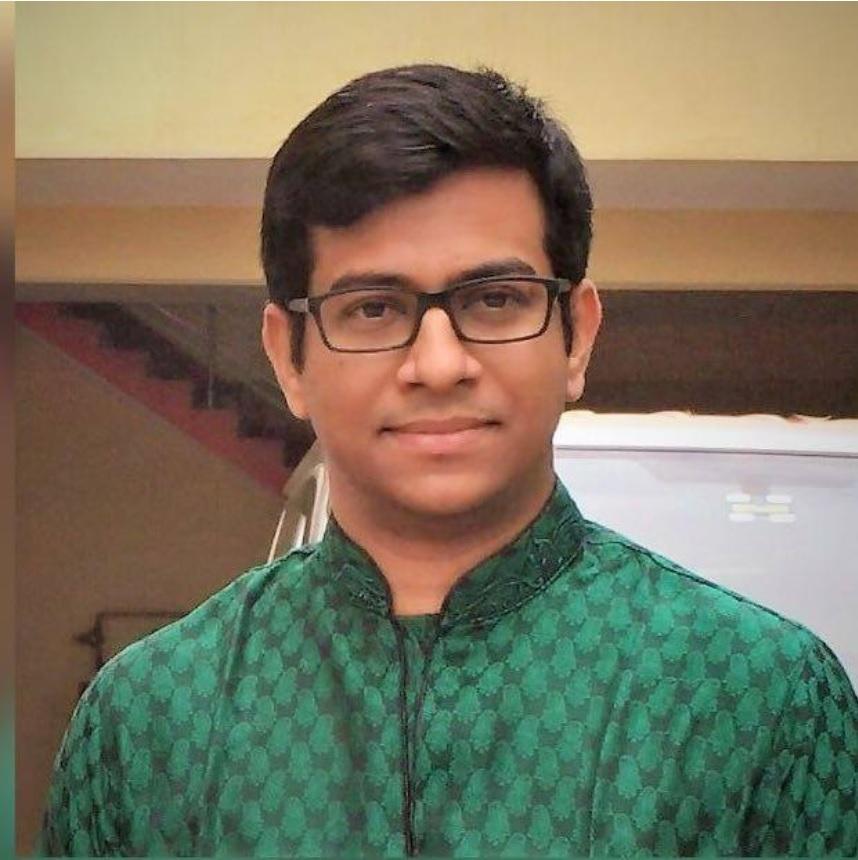
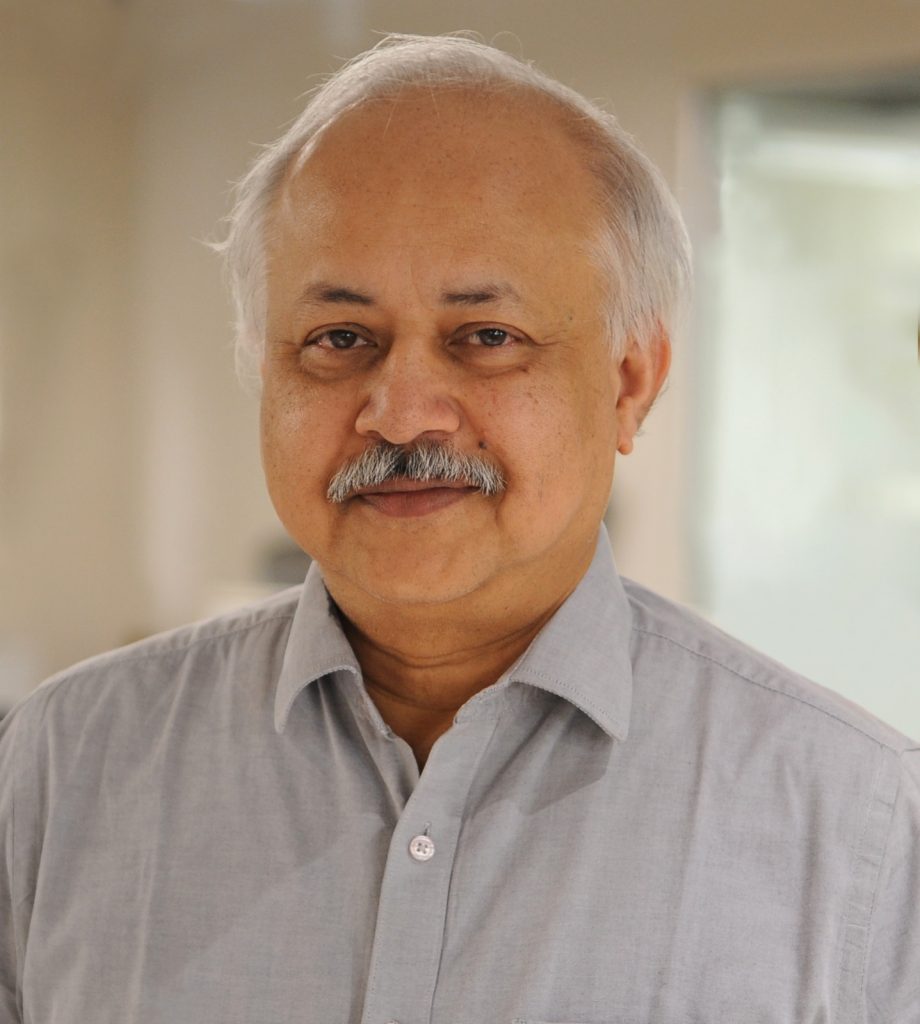
In an opinion piece authored by Aniqa Tasnim Hossain, Dr Ridwana Maher Manna, Dr Ahmed Ehsanur Rahman and Dr Shams El Arifeen of the International Centre for Diarrhoeal Disease Research, Bangladesh (icddr,b), the specialists describe a country that has made major progress against the bacterial causes of pneumonia. However, it still lacks a response to RSV, a leading viral cause of severe respiratory illness in the first months of life. Their emphasis is that maternal RSV vaccination should become a priority for Bangladesh.
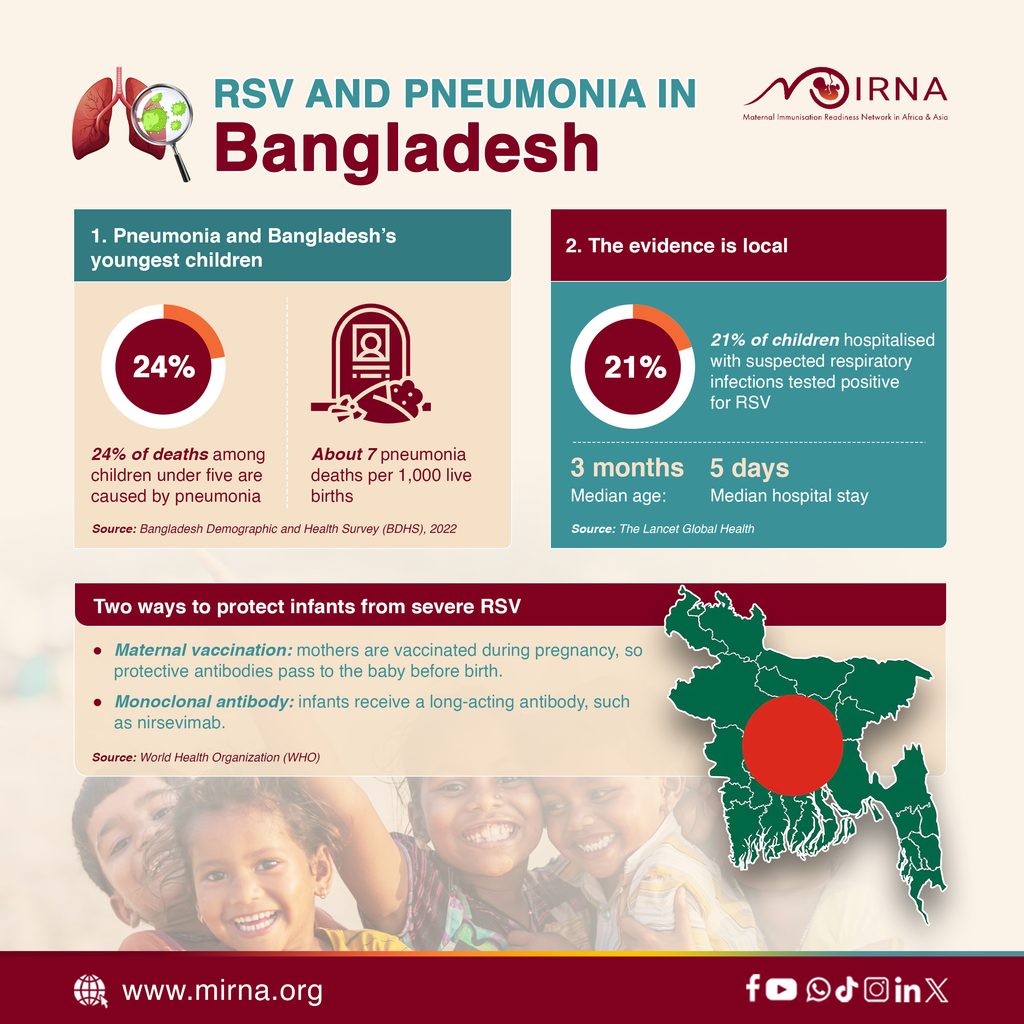
The 2022 Bangladesh Demographic and Health Survey has found that pneumonia accounts for 24 per cent of deaths among children under five, with an estimated pneumonia-specific mortality rate of around seven deaths per 1,000 live births. Behind these figures are families carrying the emotional and financial burden of a disease that is increasingly preventable.
RSV is one of its less visible contributors. It is a leading viral cause of pneumonia and bronchiolitis, particularly during the first months of life. While most infections are mild, severe cases can lead to breathing difficulties, respiratory failure and death.
Bangladesh already protects children against important bacterial causes of pneumonia through routine immunisation. RSV remains a major gap. It deserves the same urgency.
The evidence is local
This is not an argument based on evidence from elsewhere. A study published in The Lancet Global Health, conducted between January and December 2019 at Bangladesh Shishu Hospital and Institute, found RSV in 21 per cent of children hospitalised with suspected respiratory infections. The children’s median age was three months, and their median hospital stay was five days.
More recent community-based research, published in The Lancet Regional Health, Southeast Asia, followed 3,667 children in rural Mirzapur between August 2021 and June 2023. It found that RSV-associated respiratory illness was most frequent during the first six months of life.
Preventing severe respiratory illness in these early months would ease pressure on hospitals and free up beds and staff for children with other conditions. That alone is a compelling reason to act.
Families pay twice
The burden does not end when a child is discharged. A Bangladeshi study published in the Journal of Global Health found that more than half of families with a child hospitalised for RSV had to borrow money to pay for treatment. Out-of-pocket spending consumed nearly a quarter of their monthly household income.
A health system that forces families into debt to treat a preventable illness is failing them. These studies show that RSV weighs on both communities and hospitals—and make a strong case for protecting babies from birth.
Parents are already asking
One expectant father told the authors that his wife was around 30 weeks pregnant and that he had searched hospitals and pharmacies without success. They had to tell him that the vaccine was not yet available in Bangladesh, even though science now makes it possible to protect infants from severe RSV illness.
No parent should have to hear that, when the tools to prevent severe disease already exist.
The World Health Organization now recommends two approaches to protect infants from severe RSV disease. The first is vaccinating mothers during pregnancy, allowing protective antibodies to pass from mother to baby before birth. The second is giving infants a long-acting monoclonal antibody, such as nirsevimab.
The antibody is effective, but its relatively high cost poses a challenge for health systems with limited resources. Maternal vaccination offers a more practical and sustainable route to protecting babies during their most vulnerable months.
Finding the money
Any new intervention requires sustainable financing, and the pressures on public health budgets are real. Bangladesh must be able to introduce emerging vaccines without weakening existing immunisation programmes.
One opportunity lies in the pneumococcal conjugate vaccine (PCV), currently administered in three doses. Updated World Health Organization recommendations indicate that countries with mature PCV programmes, sustained high coverage and sufficient population immunity may consider a two-dose schedule: one primary dose in early infancy, followed by a booster later.
Where appropriate, such a change could reduce procurement needs and create fiscal space for other preventive measures. The Every Breath Counts Coalition’s STOP RSV initiative has proposed that eligible countries consider using savings from an optimised PCV schedule to support the introduction of maternal RSV vaccination. Bangladesh is among the countries identified for consideration.
This would require careful assessment of local disease patterns, vaccination coverage, programme readiness and long-term financing. PCV and maternal RSV vaccination are complementary: one protects against important bacterial causes of childhood pneumonia, while the other targets a major viral cause.
Readiness is growing
The Maternal Immunisation Readiness Network in Africa and Asia (MIRNA), supported by the Gates Foundation, is strengthening preparedness for maternal vaccination across low- and middle-income countries.
In Bangladesh, MIRNA is generating evidence on the burden of RSV, vaccine acceptance, cost-effectiveness and implementation readiness. Recent work published in Health Care Science highlights the importance of integrating maternal RSV vaccination into antenatal care, strengthening public–private coordination and addressing financing and implementation challenges.
What must happen next
Bangladesh’s immunisation policymakers, technical advisory bodies and development partners should now assess the health benefits of RSV prevention, the feasibility of optimising the PCV schedule and sustainable ways to finance maternal vaccination.
That assessment should measure more than doses purchased. It should count the infections and deaths prevented, hospitalisations avoided, hospital capacity preserved and the financial strain lifted from families.
World Pneumonia Day calls for decisive action. Bangladesh has an opportunity to prioritise maternal RSV vaccination and set out a clear, sustainable path for its introduction.
The evidence is here. Parents are asking. The time to decide is now.