For decades, Ethiopia has fought pneumonia with the tools it had.
These tools include using vaccines against pneumococcus, Haemophilus influenzae type B and measles, each rolled into the infant immunisation schedule at six, ten and fourteen weeks. Yet the disease remains the leading cause of illness and death among children under five in the country, claiming lives even as coverage of existing vaccines has climbed.
Dr Bersabeh Mekasha Kassaye, a clinical researcher, physician and the Maternal Immunisation Readiness Network in Africa and Asia (MIRNA) manager in Ethiopia, believes she knows why. The country has been fighting the wrong shortlist of pathogens, or rather, an incomplete one.
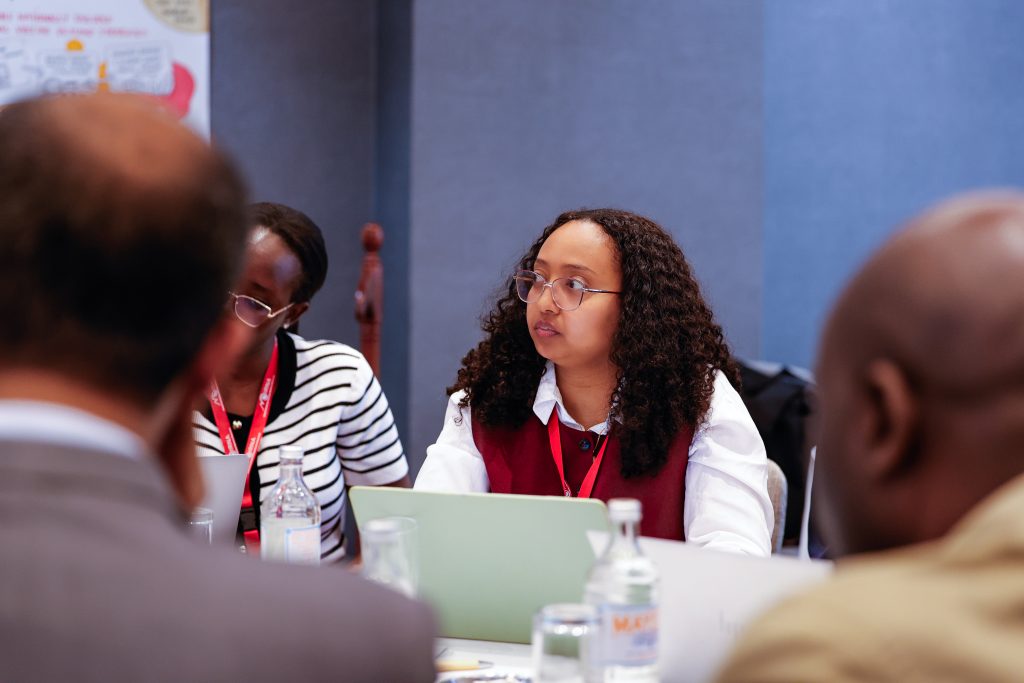
“Ethiopia, like many low- and middle-income countries, has battled with the fight against pneumonia for several years and decades,” she said. “Unfortunately, pneumonia is still the number one contributor to morbidity and mortality among under-five children in Ethiopia.”
The existing vaccine schedule targets three well-established culprits. Streptococcus pneumoniae is covered by PCV13. Haemophilus influenzae type B is addressed on the same dosing timeline. Measles, too, has long been recognised as a driver of childhood pneumonia and is covered accordingly. Despite this layered defence, pneumonia still accounts for roughly a fifth of childhood deaths in Ethiopia.
Dr Kassaye argues that respiratory syncytial virus, or RSV, is the missing piece. “It may not be that RSV is the number one cause contributing to pneumonia, but it is a major viral cause,” she explained. Crucially, a solution already exists elsewhere in the world. “What’s great is that now we have a vaccine for it.”
Two delivery routes have emerged internationally: a monoclonal antibody given directly to infants, and a maternal vaccine administered to pregnant women, with protective antibodies passed transplacentally to the fetus, shielding neonates and young infants during their most vulnerable weeks. Both approaches have already been introduced across several high-income countries.
For Ethiopia, Dr Kassaye is unambiguous about which route makes practical sense. “It is important that Ethiopia considers introducing a vaccine against RSV, and the most practical way for low- and middle-income countries like Ethiopia is the maternal RSV vaccine.”
The iceberg problem
If the case for a vaccine sounds strong, the evidence behind it is thinner than campaigners would like, and Dr Kassaye is candid about why. Diagnosing RSV reliably requires PCR testing, a costly and logistically demanding process that few Ethiopian facilities can sustain at scale. Cheaper rapid diagnostic tests exist, but they fall short of the gold standard.
The consequence is a fragmented and probably understated picture of the disease. “We don’t have a strong testing capacity for RSV,” she said. “So, we know the burden of RSV is the tip of the iceberg.”
What data does exist comes largely from sentinel surveillance sites rather than nationally representative studies, and the figures swing widely depending on season and setting. Estimates of RSV’s contribution to childhood pneumonia range from around 15 per cent up to 40 per cent during flu seasons. A pooled analysis conducted within MIRNA settled on roughly 16 percent of RSV-associated lower respiratory tract infections and around 21 percent of RSV-associated acute respiratory illnesses, figures Dr Kassaye notes that “These don’t really represent the actual picture on the ground,” she cautioned.
That gap places Ethiopia in a familiar bind, one echoed across the wider MIRNA consortium. At the network’s Nairobi meeting, Ethiopian researchers presenting separate findings on group B streptococcus reached a strikingly similar verdict: there was enough evidence to flag a public health problem, but not yet enough to guide policy with full confidence. RSV, it seems, sits in the same uncomfortable middle ground, plausible, worrying, but insufficiently measured.
The strongest part of Dr Kassaye’s argument may be one that extends beyond RSV altogether. Protecting infants from RSV, she contends, does not simply reduce cases attributed directly to the virus. It appears to dampen pneumonia’s overall toll, across causes.
She pointed to a study published only the week before her interview, examining the effect of RSV monoclonal antibodies on invasive pneumococcal disease hospitalisation. The results showed a reduction of around 30 per cent, a figure that startled even those familiar with the field. Her explanation draws on a wider principle in respiratory medicine: viral infections frequently pave the way for secondary bacterial illness, so blocking the virus can blunt the bacterial threat that follows.
“A vaccine against RSV would not just decrease the healthcare burden and the economic burden associated with RSV, but also the burden associated with all-cause pneumonia and all-cause lower respiratory tract infection.”
Ethiopia’s predicament mirrors debates playing out across MIRNA’s nine member countries, from Bangladesh to Uganda, each wrestling with how to translate patchy local data into a case robust enough to persuade ministries and financiers. Kenya’s Kilifi site has produced what one expert at the Nairobi gathering called “phenomenal” RSV data, sufficiently strong that officials there barely need a systematic review to make their case. Ethiopia, by its own researchers’ admission, has further to go.
Professor Shabir Madhi of South Africa, addressing the same consortium, argued that RSV needs reframing in the public imagination much as pneumococcal vaccines once were, marketed not as protection against an obscure pathogen but as a defence against pneumonia itself, a killer every parent and minister instinctively understands.
Dr Kassaye’s account suggests Ethiopia is edging towards that same reframing. The testing infrastructure remains inadequate. The epidemiological picture is incomplete. But the underlying logic, that a widely available maternal vaccine could meaningfully reduce childhood deaths from the country’s biggest killer, is difficult to dismiss.
As she put it, a disease “claiming so many lives of children and infants and neonates” deserves every tool available, even one whose exact scale in Ethiopia is still being pieced together.